
Empowering Non-Traditional Learners Through Robotics and Coding Classes
- Stephen Michalik
- Jul 22, 2025
- 4 min read

In today's fast-paced world, technology is everywhere. From smartphones to smart homes, understanding how these technologies work is more important than ever. For non-traditional learners, robotics and coding classes offer a unique opportunity to engage with technology in a hands-on way. These classes not only teach valuable skills but also empower individuals to express their creativity and problem-solving abilities.
Many people think of traditional education as the only path to success. However, non-traditional learners often bring unique perspectives and experiences that can enhance their learning journey. Robotics and coding classes provide a platform for these learners to thrive. They can explore their interests, collaborate with others, and gain confidence in their abilities.
The Importance of Robotics and Coding
Robotics and coding are not just for tech enthusiasts. They are essential skills in today's job market. Many industries are looking for individuals who can understand and work with technology. By learning robotics and coding, non-traditional learners can open doors to new career opportunities.
Benefits of Learning Robotics
Hands-On Experience: Robotics classes often involve building and programming robots. This hands-on approach helps learners understand complex concepts in a tangible way.
Problem-Solving Skills: Robotics challenges students to think critically and solve problems. They learn to troubleshoot issues and find creative solutions.
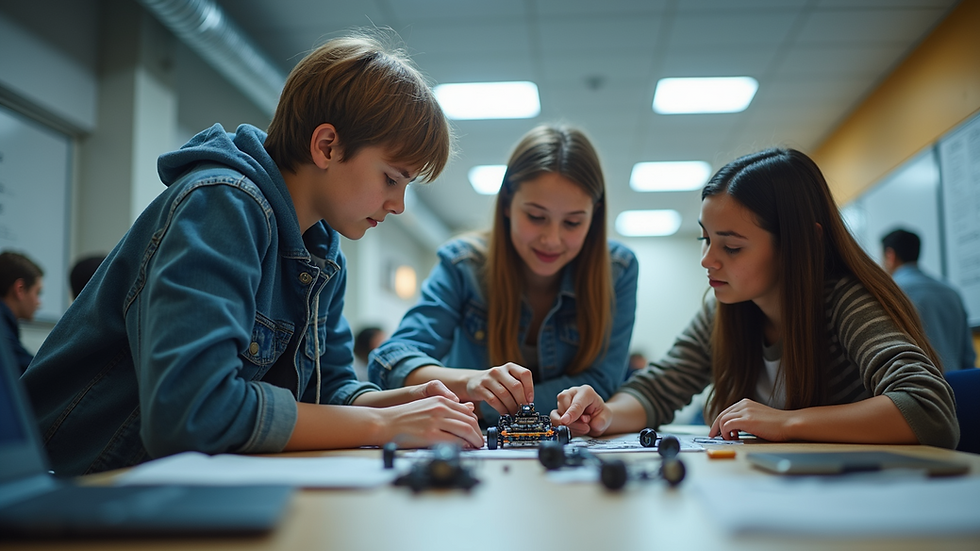
Teamwork: Many robotics projects require collaboration. Working in teams helps learners develop communication skills and learn from one another.
Creativity: Building robots allows for creative expression. Learners can design and customize their robots, making the experience personal and engaging.
Benefits of Learning Coding
Logical Thinking: Coding teaches learners to think logically. They learn to break down problems into smaller, manageable parts.
Career Opportunities: Coding skills are in high demand. Many jobs require some level of coding knowledge, making it a valuable skill for non-traditional learners.
Empowerment: Learning to code gives individuals the power to create. They can build websites, apps, and games, turning their ideas into reality.
Adaptability: The tech world is always changing. Learning coding helps individuals adapt to new technologies and trends.
Creating an Inclusive Learning Environment
To empower non-traditional learners, it is essential to create an inclusive learning environment. This means recognizing and valuing the diverse backgrounds and experiences of all learners. Here are some strategies to foster inclusivity in robotics and coding classes:
1. Encourage Participation
Encouraging all learners to participate is crucial. Instructors can create a welcoming atmosphere where everyone feels comfortable sharing their ideas. This can be achieved through group discussions, brainstorming sessions, and collaborative projects.
2. Provide Support
Non-traditional learners may face unique challenges. Providing support, such as tutoring or mentorship, can help them overcome obstacles. Instructors should be approachable and willing to assist learners who may need extra help.
3. Celebrate Diversity
Diversity should be celebrated in the classroom. Instructors can highlight the contributions of individuals from different backgrounds in the tech field. This can inspire learners and show them that they too can succeed.
4. Use Real-World Examples
Using real-world examples can make learning more relevant. Instructors can share stories of non-traditional learners who have succeeded in robotics and coding. This can motivate students and help them see the potential of their skills.
Success Stories of Non-Traditional Learners
Many non-traditional learners have found success through robotics and coding classes. Here are a few inspiring stories:
1. Maria's Journey
Maria, a single mother, decided to take a coding class to improve her job prospects. She had always been interested in technology but never had the opportunity to explore it. Through the class, she learned to build websites and apps. Today, Maria works as a web developer and is proud to provide for her family.
2. James' Transformation
James struggled with traditional education. He found it hard to focus in a conventional classroom. However, when he joined a robotics club, everything changed. He discovered his passion for building robots and excelled in the hands-on projects. Now, James is pursuing a degree in engineering and hopes to work in robotics.
3. Linda's Empowerment
Linda, a retiree, wanted to learn something new. She enrolled in a coding class to challenge herself. At first, she felt intimidated by the technology. However, with the support of her instructor and classmates, she gained confidence. Linda now creates her own apps and enjoys sharing her knowledge with others.
How to Get Started
If you are a non-traditional learner interested in robotics and coding, here are some steps to get started:
1. Research Local Classes
Look for local community centers, libraries, or schools that offer robotics and coding classes. Many organizations provide programs specifically designed for non-traditional learners.
2. Join Online Communities
Online communities can be a great resource. Websites like GitHub, Stack Overflow, and various coding forums allow you to connect with others, ask questions, and share your projects.
3. Start Small
If you are new to robotics or coding, start with small projects. There are many online tutorials and resources available for beginners. Focus on building your skills gradually.
4. Collaborate with Others
Find a study group or partner to work with. Collaborating with others can enhance your learning experience and provide support.
5. Stay Curious
Keep an open mind and stay curious. Technology is always evolving, and there is always something new to learn. Embrace the journey and enjoy the process.
The Future of Non-Traditional Learning
As technology continues to advance, the importance of robotics and coding will only grow. Non-traditional learners have a unique opportunity to shape the future of technology. By embracing these skills, they can contribute to innovation and creativity in the tech industry.
The Role of Educators
Educators play a vital role in empowering non-traditional learners. They must adapt their teaching methods to meet the needs of diverse learners. This includes providing hands-on experiences, fostering collaboration, and creating an inclusive environment.
The Impact of Technology
Technology has the potential to transform education. Online learning platforms, coding boot camps, and robotics competitions are making it easier for non-traditional learners to access resources and opportunities. This democratization of education is paving the way for a more inclusive future.
Final Thoughts
Empowering non-traditional learners through robotics and coding classes is essential for building a more inclusive and innovative society. These classes provide valuable skills, foster creativity, and encourage collaboration. By creating supportive learning environments, we can help individuals from all backgrounds thrive in the tech world.
As we look to the future, it is clear that the journey of learning is not limited to traditional paths. Non-traditional learners have the potential to make significant contributions to technology and beyond. Let us celebrate their achievements and continue to support their growth.


Comments